About NeuroBloom
Why NeuroBloom Exists
Too many neurodivergent individuals and their caregivers are asked to navigate systems that were never designed for them. Support can feel disconnected, overly clinical, or inaccessible in the moments it is needed most. NeuroBloom exists to help bridge that gap.
We bring together insights from neuroscience, regulation, communication access, sensory support, education, behavior science, technology, and lived experience to create practical, accessible support for real life.
The NeuroBloom Ecosystem
One Method. Many expressions.
Everything NeuroBloom creates grows from the same foundation and answers the same question.
Shared Language
Making the Method's ideas accessible to every person in the ecosystem.
Education
Building capacity in the professionals and families who support learners.
Community
The relationships and shared support that sustain the work.
Future Innovation
Everything still to come — built on the same foundation.
More to come.
One company. One question. One connected ecosystem.
The founder
Why Lindsay built this
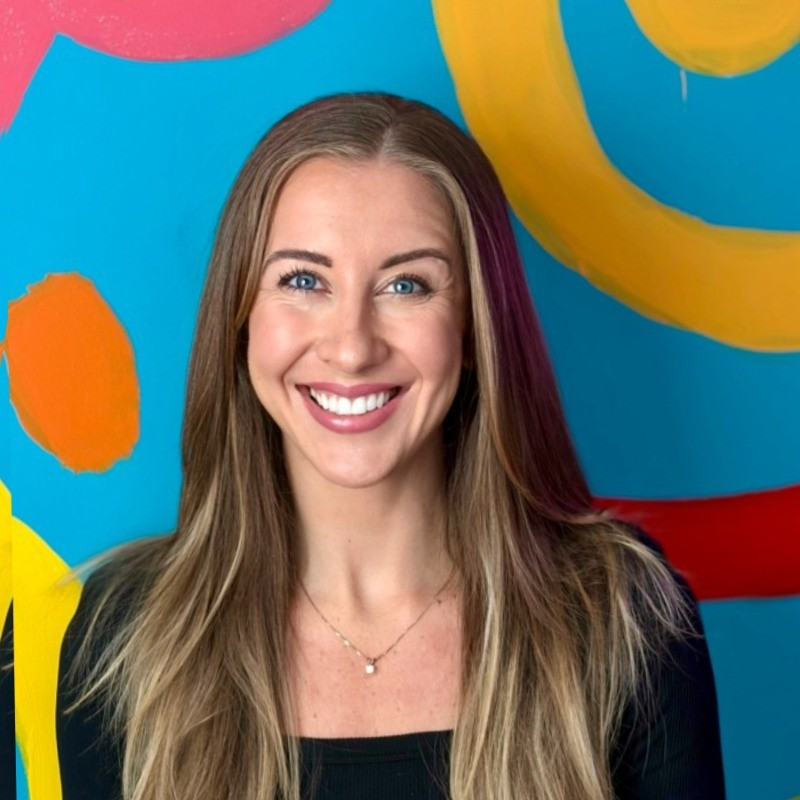
For fifteen years, Lindsay Watkins worked in special education, behavioral health, and community-based services, supporting autistic individuals with high support needs across home, school, vocational, and clinical settings.
She kept seeing the same pattern: neurodivergent individuals were underestimated. Families were overwhelmed. Support systems were disconnected, overly clinical, and impossible to access in the moments they were needed most.
Her understanding deepened through her own recovery from post-traumatic stress disorder, where she experienced firsthand how regulation and sensory overwhelm shape everything a person is able to access, express, and do. Somatic practices and nervous-system-based approaches, including yoga, were central to that recovery. They also made clear what was missing from most support systems.
NeuroBloom is the result of that journey. A synthesis of professional experience, lived experience, and a deep belief that people grow when they are supported in ways that honor how they actually work.